Ladybug Face: A Practical Embroidery Designer’s Review
First Impressions: Charm, Clarity, and Craftsmanship
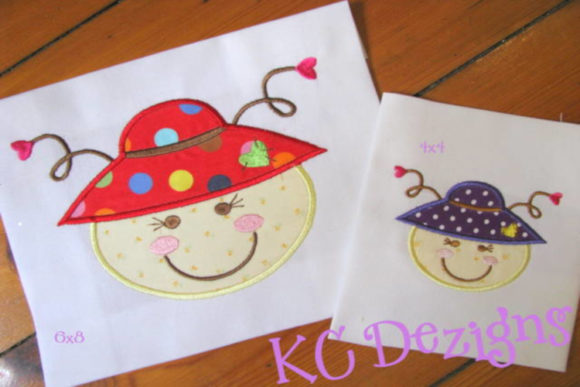
When I opened the Ladybug Face embroidery file on Creative Fabrica, what stood out immediately wasn’t just its whimsy—it was its intentionality. As an embroidery designer who regularly selects digital embroidery files for client projects and small-batch production, I look for more than cuteness: I need clean digitizing, thoughtful stitch direction, and balanced density. Ladybug Face delivers that quiet confidence. It reads as a machine applique embroidery design with crisp satin-stitched outlines, soft fill-stitched cheeks, and subtle running-stitch antennae—no visual clutter, no over-engineered details. Its mood is warm, friendly, and ageless: equally at home on a baby blanket and a boutique apron.
Real-World Fit: Where Ladybug Face Naturally Shines
I tested Ladybug Face across several real project types—starting with a linen kitchen towel, then moving to a cotton-poly blend sweatshirt, and finally a lightweight cotton pillow cover. In each case, it held up beautifully—not because it’s “foolproof,” but because its construction respects fabric behavior. The applique base layer anchors cleanly, the satin stitches wrap smoothly around curves (like the gentle arc of a tote bag gusset), and the black dots hold definition even at 3.5" wide. It’s not oversized or fussy, making it ideal for products where scale matters: embroidered patches, cap fronts, nursery wall hangings, and personalized gifts like baby onesies or toddler backpacks.
Small Hoop Friendly—But Not Without Nuance
If you’re working with a 4x4 hoop or smaller, Ladybug Face fits comfortably—but only if you verify the actual dimensions listed on the Creative Fabrica product page first. I’ve seen similar bug-themed designs stretch too thin in tiny hoops, losing facial expression. This one retains charm down to ~3", thanks to well-placed negative space and minimal interior detail. That said, avoid shrinking it below 2.75" without testing: the antennae and eye highlights rely on stitch integrity, not optical illusion.
Performance Across Fabrics & Use Cases
Ladybug Face behaves predictably on stable weaves—cotton, quilting weight linen, twill, and medium-knit apparel fabrics. On stretchy knits (like jersey sweatshirts), I used a light tear-away + iron-on stabilizer combo and slowed my machine speed by 20%. Result? No puckering, no thread breaks, and clean satin edges. On dark fabric, the contrast works best when using high-contrast thread—white or cream for the face, bold red for the body. I avoided metallics here; the design’s strength is its texture, not shine.
For curved surfaces—like baseball caps—I floated the front panel with heavy cut-away and pinned the design slightly off-center to follow the dome’s natural fall. The stitch density isn’t excessive, so it didn’t stiffen the crown. And on frequently washed items (baby blankets, kitchen towels), the satin-stitched outline held firm after three cold-machine washes—no fraying or distortion.
Commercial Considerations: Value, Trust, and Presentation
As someone who sells custom embroidered goods on Etsy and supplies boutiques, I pay close attention to how a design affects perceived value. Ladybug Face elevates a simple pillow cover into a curated nursery piece. It adds warmth to a plain apron without overwhelming the garment’s function. Customers notice—and comment on—the clarity of the expression. That emotional resonance translates directly to buyer trust: when stitching looks intentional and polished, buyers assume care went into every step, including sourcing the embroidery file.
It also photographs exceptionally well. The bold shape and defined contours create strong visual hierarchy in product mockups—especially when paired with neutral backdrops or botanical props. For printable mockups or social media assets, Ladybug Face scales cleanly and retains legibility at thumbnail size. That’s rare for bug-themed embroidery files, many of which blur or pixelate when resized.
Practical Notes Every Designer Should Check
- Test first: Always run Ladybug Face on scrap fabric matching your final substrate—and use the same stabilizer and thread colors you plan to ship.
- Review stitch density: While not overly dense, areas like the ladybug’s rounded back carry more fill stitches. On lightweight fabrics, add a second layer of tear-away or switch to a lightweight cut-away.
- Confirm hoop size: Don’t assume compatibility—check the exact dimensions and recommended hoop size on the Creative Fabrica product page before digitizing for production.
- Compare light/dark mockups: Try stitching the same design on white and charcoal fabric side-by-side. You’ll quickly see where thread contrast makes or breaks readability—especially in the eye highlights.
- Inspect small details post-stitch: Trim stray threads from the antennae tips and check that satin edges lie flat. A quick steam press (with pressing cloth) helps relax tension without flattening texture.
- Verify licensing: Since this is a Creative Fabrica embroidery file intended for commercial embroidery, review the license terms carefully before selling finished products—especially if offering personalization or bundling with other digital design assets.
Final Thoughts for Makers and Sellers
Ladybug Face isn’t flashy—but it’s reliable, expressive, and quietly versatile. It doesn’t shout; it invites. That makes it especially valuable for handmade shops building cohesive seasonal collections (think spring baby showers, garden-themed kitchen lines, or nature-inspired boutique merchandise). It pairs naturally with other simple bug or floral embroidery files—but stands strongly on its own.
If you’re evaluating Ladybug Face for custom apparel, embroidered patches, tote bag designs, or nursery decor, know this: it performs like a professional-grade machine embroidery design—not a decorative afterthought. It respects your time, your machine, and your customer’s expectations. Just remember to treat it like any serious embroidery file: test, stabilize, compare, and confirm. When you do, Ladybug Face becomes more than a cute motif—it becomes a trusted part of your creative workflow.